


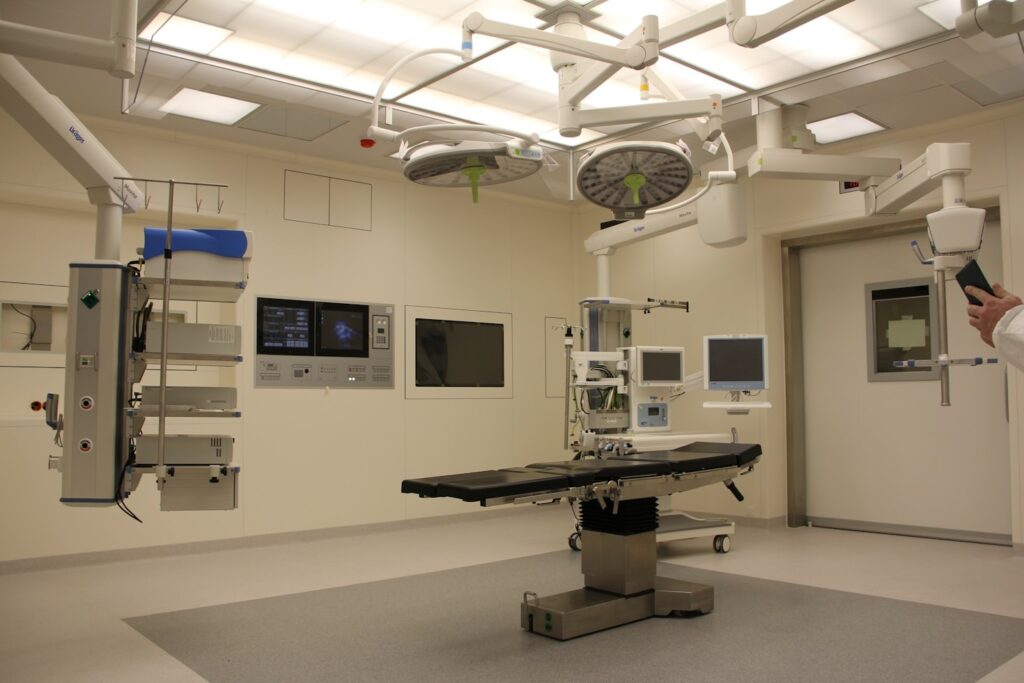
Compacta offers an alternative to traditional operating rooms for invasive procedures by creating an ultra-clean air zone regardless of the surrounding space—a key requirement for reducing surgical infections.
Healthcare-associated and post-operative infections are a major global problem, causing patient suffering and significant costs to healthcare systems and society.1,2
This issue affects both inpatient and outpatient care, across public and private providers.
The increasing prevalence of antibiotic-resistant bacteria makes the problem even more serious, potentially preventing certain procedures, such as implant surgeries, due to high risk of disability or death.
As the population ages, the number of surgeries increases, creating a growing need for accessible healthcare and cost-effective solutions.
More procedures are now being performed in outpatient settings, so-called “office-based surgery.”
With access to a sterile environment, more procedures can be safely performed outside hospitals, reducing costs, improving accessibility, increasing efficiency, and shortening waiting lists—without increasing the risk of post-operative wound infections (PSIs).
Sweden’s new standard for “Cleanliness in Operating Rooms,” SIS-TS 39 2015, sets stricter requirements, forcing many existing operating rooms to undergo renovation.
Similar needs are likely to exist globally, though few studies have been conducted.5
Smaller healthcare facilities often lack the resources for surgical procedures due to insufficient access to surgeons, nurses, or sterile environments. During disasters and wars, sterile conditions for surgery or complex wound care are extremely rare.
Neonatal care also requires sterile conditions for both minor procedures and surgery.
In these cases, heated air is necessary to avoid chilling vulnerable patients.

Leave a Reply